Landscape Maintenance for Sustainable and Attractive Yards
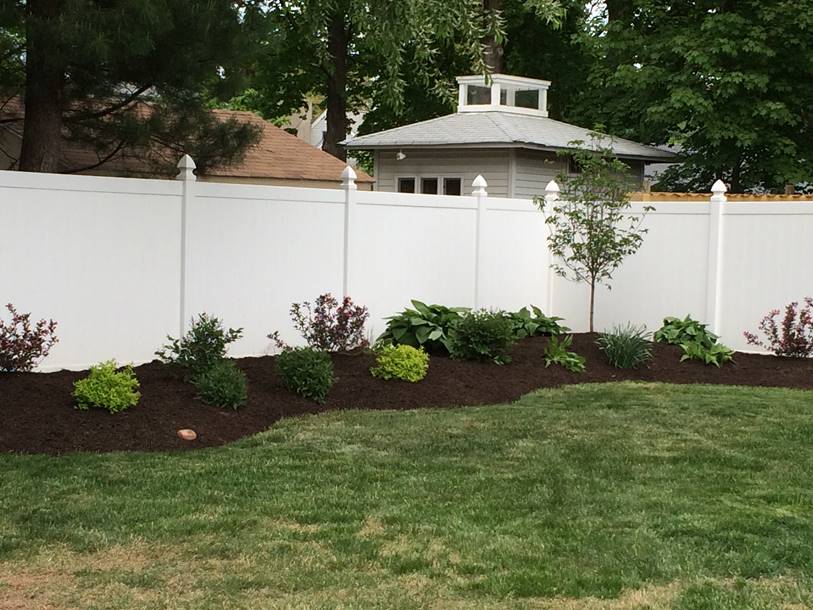
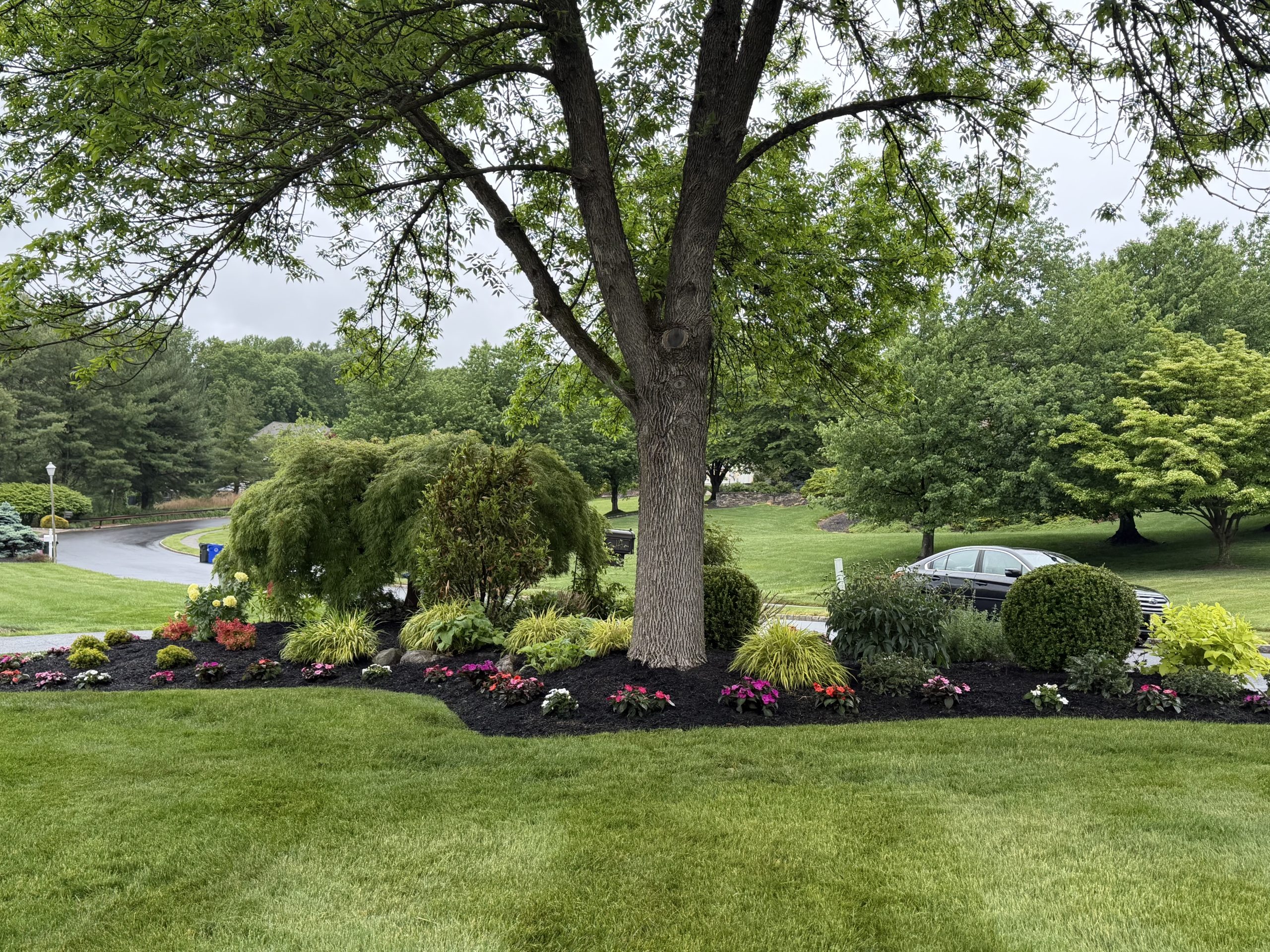
A well-kept yard does more than frame a house. It manages water, cools the air near the ground, supports local insects and birds, and quietly shapes how a property feels every day. Good landscape maintenance is the work that keeps all of that functioning. It is not just mowing on Saturday or trimming shrubs when they look untidy. It is ongoing care, timed correctly and done with enough restraint to let plants thrive instead of merely survive.
The most attractive yards I have seen over the years were rarely the most expensive. They were the ones where maintenance matched the site. The soil was understood, irrigation was adjusted instead of left on autopilot, and plant choices fit the climate rather than fighting it. Those landscapes aged well. They looked settled, healthy, and intentional even in the middle of summer stress or a dry spell.
Sustainable yards are often misunderstood as wild or neglected. In practice, the opposite is true. A sustainable landscape usually demands sharper observation and better timing. It asks a homeowner or crew to notice whether runoff is moving toward the sidewalk, whether mulch is smothering a tree flare, whether turf is being watered too shallowly, or whether a pruning cut today will force weak growth next month. Maintenance is where sustainability becomes real.
What sustainable landscape maintenance actually means
The word sustainable gets stretched so far that it can lose practical value. In the yard, it should mean using water, labor, fertilizer, and fuel thoughtfully while preserving plant health, soil structure, and long-term visual appeal. That is the standard worth working from.
A sustainable yard does not need to look sparse or rustic. It can be formal, lush, and highly polished. The difference lies in how it is maintained. Lawns are watered deeply and less often instead of sprayed every day. Beds are mulched enough to suppress weeds and moderate soil temperature, but not piled into volcanoes against trunks. Plants are pruned for structure and health rather than sheared into permanent stress. Pest issues are investigated before chemicals are applied. Debris is composted when practical. Soil is fed with organic matter, not just pushed along with quick nitrogen.
These choices reduce waste, but they also improve appearance. Stressed landscapes are expensive and never quite look right. You see it in dull foliage, bare patches, weak blooms, fungus, and constant replacement costs. Healthy landscapes carry color better, recover faster, and look cleaner even when they are not freshly serviced.
Start with the site, not the tool shed
When people struggle with landscape maintenance, the problem often begins with assumptions. They inherit a sprinkler schedule from the previous owner, buy a fertilizer advertised on the bag, or prune at the same time every year without considering what is planted. A better starting point is the site itself.
Soil tells you a great deal. Clay holds water longer, compacts easily, and punishes overwatering. Sandy soil drains quickly and may need slower irrigation cycles to avoid waste. Shade changes growth rates and disease pressure. Wind can dry planting beds far faster than people expect, especially along fences and open corners. Slopes create runoff patterns that can strip mulch and expose roots. A south-facing foundation bed might bake in summer while a backyard border remains cool and damp.
I have seen two houses on the same street require completely different maintenance rhythms because one lot had compacted fill soil from construction and the other had older, richer ground with mature trees. Treating them the same would have been convenient, but it would not have been good horticulture.
Understanding the site also helps with aesthetics. A sustainable yard looks attractive when its maintenance plan respects what the place wants to be. A dry, sunny front exposure might do better with ornamental grasses, salvias, and tough shrub roses than with thirstier annual color beds. A shaded side yard can become elegant with ferns, hellebores, and a simple mulch line rather than a constant battle to grow thin turf.
Soil care is the quiet foundation of every good-looking yard
People notice flowers and edging first, but soil condition decides whether those things can last. If the soil is compacted, low in organic matter, or chronically soggy, no amount of cosmetic work will hide the decline for long.
One of the best improvements for many residential yards is simple organic enrichment over time. Leaving grass clippings on the lawn when they are short enough to break down quickly can return nutrients. Topdressing thin turf areas with compost can help structure and microbial activity. In shrub and perennial beds, a moderate layer of mulch protects the surface, slows evaporation, and feeds soil life as it decomposes.
Mulch deserves some nuance because it is often overapplied. Two to three inches is usually enough in most beds. More than that can create moisture problems, especially around crowns and trunks. I regularly see declining shrubs planted correctly but later buried under repeated mulch applications. The roots suffocate, bark stays wet, and the plant slowly weakens. A tidy bed should still reveal the base of a tree and the natural flare where the trunk meets the ground.
Aeration also matters in lawns that see traffic, especially from kids, pets, or routine mowing patterns. Core aeration in compacted turf can improve water infiltration and root growth. It is not glamorous work, but the difference shows up in density and resilience, especially during heat.
Water management separates healthy landscapes from struggling ones
Most landscape problems I diagnose in established yards come back to water, either too much, too little, or applied poorly. Sustainable landscape maintenance is not about withholding water. It is about watering where it matters, in the right amount, at the right time.
Deep, infrequent watering generally builds better root systems than frequent shallow irrigation. Turf that gets a brief spray every day tends to root near the surface, which makes it more vulnerable to heat stress. Shrubs and perennials respond similarly. Soaker hoses and drip systems https://www.google.com/maps?cid=10803558482475237858 are especially effective in planting beds because they deliver moisture low and slowly, with less evaporation and overspray.
Timing matters as much as volume. Watering early in the morning allows leaves to dry and reduces disease pressure compared with evening irrigation. It also lowers loss from midday heat. Seasonal adjustment matters too. Automatic systems often run long after the weather changes. During cool weeks or rainy stretches, many yards are being overwatered simply because no one has updated the controller.
A few signs tell the story quickly. Mushrooms in turf are not always a problem, but they can point to persistent moisture. Yellowing lower leaves on shrubs may signal waterlogging as easily as drought. If water runs down the curb before soaking in, the cycle is too long for the soil to absorb it. Breaking irrigation into shorter repeated cycles can help on slopes or compacted ground.
Rain barrels, swales, and downspout redirection can also improve sustainability in the right setting. They reduce runoff and give water a useful place to go. The key is to match the strategy to the site rather than adding features for their own sake.
Mowing is not a minor task
Lawns are often maintained more often than any other part of the landscape, which means mowing practices shape yard health in a major way. Yet it is one of the most rushed jobs on many properties.
Height matters. Cutting turf too short weakens it, exposes soil to sun, and opens the door to weeds. Most cool-season lawns look and perform better when kept on the taller end of their recommended range. Warm-season grasses vary, and some tolerate lower cuts, but scalping is damaging across the board. A sharp blade matters as much as height. Dull blades tear grass, leaving a gray cast and increasing stress.
Mowing frequency should respond to growth, not the calendar alone. In spring, turf may need more frequent cuts. During summer heat or drought, growth slows and mowing intervals often widen naturally. Taking off too much at once shocks the lawn. The familiar rule of not removing more than about one-third of the blade at a time remains a sound benchmark.
Clippings are often treated like waste when they are actually useful. If the grass is not overgrown and diseased, mulching clippings back into the lawn recycles nutrients and reduces disposal. That is one of those sustainable practices that also saves time.
Pruning with purpose
Pruning can elevate a yard or quietly ruin it. The difference is usually not effort, but intent. Good pruning respects plant form, growth habit, and season. Poor pruning forces every shrub into the same rounded shape and calls it neatness.
A landscape becomes more attractive when each plant is allowed to look like itself. Hydrangeas should not be cut like boxwoods. Crape myrtles do not benefit from harsh topping. Evergreen shrubs often need selective thinning rather than repeated shearing. Trees should be pruned to remove dead, damaged, crossing, or poorly attached branches, not to satisfy an arbitrary symmetry from the street.
Timing is part of the craft. Spring-flowering shrubs often set buds on old wood, so pruning them hard in late winter can erase that season’s bloom. Summer-flowering shrubs may tolerate or benefit from dormant pruning. Perennials each have their own rhythm. Ornamental grasses can stand through winter for texture and wildlife shelter, then be cut back before new growth emerges.
One of the most attractive yards I worked around had almost no sheared shrubs. The maintenance crew spent a little more time hand-pruning with bypass pruners, and the result was obvious. Plants had depth, layered branching, and softer lines. The yard looked refined rather than manufactured.
Feeding plants without creating problems
Fertilizer is useful, but more is not better. Overfertilized landscapes often produce fast, weak growth that attracts pests, requires more pruning, and burns through water. Sustainable landscape maintenance aims for steady vigor, not constant forcing.
Lawns frequently get the heaviest feeding, and even there a restrained approach usually works best. Soil testing, when available, is worth the effort because it tells you whether nutrients are actually lacking. Without that information, many people apply phosphorus or other inputs that the site does not need. In beds, compost and mulch often provide enough support for established ornamentals unless a visible deficiency or poor vigor suggests otherwise.
New plantings are a separate case. Recently installed shrubs and perennials usually need careful watering more than heavy fertilization. Pushing top growth before roots establish can backfire. A plant settling into the site should not be bullied into performance.
If there is one pattern I have seen repeatedly, it is this: landscapes built on moderate fertility and strong soil structure hold up better than landscapes kept on a cycle of aggressive feeding and correction.
Weed control is mostly about prevention
Weeds signal opportunity. Bare soil, thin turf, poor plant spacing, and disturbed ground all invite them. The most effective weed control strategy is often to close those openings rather than to rely on repeated spraying.
Dense healthy turf crowds out many common weeds. Well-mulched beds prevent seed germination by limiting light at the surface. Groundcovers can stabilize difficult areas where mulch washes away. Proper plant spacing matters too. Beds that look slightly sparse at installation often fill in beautifully within a season or two, while overplanted beds become crowded and disease-prone.
Hand removal remains important, especially for perennial weeds that spread by root fragments. It is not glamorous, but catching invaders early saves far more work later. Selective herbicides have a place, especially in larger properties or severe infestations, but broad use without diagnosis tends to create collateral damage.
For homeowners trying to stay ahead of weeds without overcomplicating things, a simple maintenance rhythm works well:
- Walk the yard once a week for ten minutes and pull young weeds before they seed.
- Refresh mulch where it has thinned, especially in hot or exposed beds.
- Repair bare turf patches promptly so weeds do not claim the space.
- Check edging lines and hardscape joints, where weeds often get established first.
- Investigate the cause of repeated outbreaks, usually water, thin coverage, or disturbed soil.
That sort of attention is less dramatic than a full cleanup, but it keeps the landscape looking polished with far less effort over time.
Pest and disease problems need diagnosis, not panic
A sustainable yard does not ignore pests. It responds proportionately. That starts with identifying what is happening before reaching for a treatment.
Not every hole in a leaf warrants action. Many plants can tolerate cosmetic feeding damage with no long-term issue. On the other hand, some symptoms need quick attention, especially on young trees, food crops, or stressed evergreens. The trick is to separate nuisance from threat. Scale insects on a shrub foundation planting, bagworms on a small evergreen, or black spot on roses each call for different responses and timing.
Plant stress often sets the stage. Drought, poor air circulation, improper pruning, compacted soil, and excess fertilizer can all make pest and disease issues worse. Correcting the maintenance problem often reduces the biological problem. I have seen recurring fungal issues in dense shrub borders improve simply because selective pruning opened airflow and irrigation was shifted away from evening cycles.
Integrated pest management, even if you never use the term, is simply good judgment. Monitor first, tolerate minor damage when reasonable, intervene with the least disruptive method that works, and keep the plant healthy enough to defend itself.
Seasonal work gives the yard its rhythm
Maintenance is easier and more effective when tied to the season rather than handled as one endless chore. Spring often brings cleanup, edging, fresh mulch, early weed control, and inspection for winter damage. Summer is about water management, mowing discipline, deadheading where useful, and watching for stress before it turns into decline. Fall is the time for leaf management, lawn repair, planting many trees and shrubs, and preparing irrigation for colder weather. Winter, in milder climates, can be ideal for structural pruning and planning changes.
The exact schedule depends on region, but one principle travels well: do the work slightly ahead of visible trouble. If you wait until weeds are mature, shrubs are overgrown, or turf is browned out, every task becomes larger and more expensive.
A compact seasonal checklist helps many property owners stay realistic:
- Spring, inspect irrigation, refresh beds, and prune only what suits the season.
- Summer, water deeply, mow correctly, and watch for signs of stress.
- Fall, repair turf, plant woody ornamentals, and manage leaves productively.
- Winter, prune structure where appropriate and evaluate what underperformed.
- Year-round, adjust based on weather instead of habit.
That last point matters more than any calendar date. A wet June and a dry June should not receive the same maintenance.
Attractive yards are designed to be maintainable
One of the hardest truths in residential landscaping is that some yards are expensive to maintain because they were built that way. Tiny lawn strips between hardscape edges, thirsty plants in full reflected heat, mixed hedge species clipped into one mass, or annual beds crammed into every sunny corner can all create a burden that never settles down.
Sustainable landscape maintenance works best when design and care support each other. Repetition of tough plant varieties simplifies pruning and watering. Broader bed lines reduce fussy mowing around obstacles. Fewer species, chosen well, can still look rich and layered. Trees placed correctly lower heat load and improve microclimate. Hardscape that directs water sensibly reduces erosion and runoff headaches.
This does not mean every yard should become minimalist. It means every feature should earn its place. If a plant constantly struggles in a location, replacement is often more sustainable than heroic maintenance. I have watched homeowners spend years nursing unsuitable shrubs in soggy side yards when a different species would have looked better with half the effort.
The human side of maintenance
There is also a practical reality that professionals learn quickly. The best maintenance plan is the one that will actually be followed. A detailed regimen with six fertilizer windows, constant hand deadheading, and weekly irrigation tweaks may sound ideal on paper, but it falls apart if the homeowner has limited time or the service crew rotates staff every month.
A realistic plan accounts for labor, budget, and tolerance for imperfection. Some clients value a crisp formal look and are willing to pay for selective hand pruning and frequent touch-ups. Others want lower input and are comfortable with a softer, more natural appearance between visits. Both can be attractive. Problems start when expectations and maintenance capacity are miles apart.
There is also no shame in simplifying. Reducing a high-maintenance annual bed, widening a planting island to eliminate awkward turf, or replacing disease-prone shrubs with sturdier species is not giving up. It is often the smartest move in the whole landscape.
Where good maintenance shows up first
You can usually tell within a minute whether a yard is being maintained well. The signs are subtle but consistent. Plants look proportionate to the space. Mulch is present but not excessive. Lawn edges are clean. Water is not pooling where it should not. Shrubs have depth instead of being shaved flat. Seasonal color, if used, fits the setting rather than shouting at it. Most of all, the yard looks calm.
That calmness comes from dozens of small decisions made correctly over time. Sustainable landscape maintenance is not flashy. It is cumulative. It builds beauty through restraint, observation, and respect for how living systems behave. When those habits are in place, a yard stops feeling like a project and starts feeling like part of the home itself.
Majestic Mowing & Landscaping LLC
Phone number: +19733975532
FAQ About Landscape Maintenance
What is landscape maintenance?
Landscape maintenance is the ongoing care, cleaning, and upkeep of outdoor green spaces to keep them healthy, safe, and attractive.
Is $100 an hour too much for landscape work?
An hourly rate of $100 is not too much for specialized or professional landscape work, though it sits at the higher end of the standard pricing spectrum.
How much do landscapers charge for maintenance?
For professional landscaping maintenance, homeowners typically pay $100 to $410 per month for recurring services, or an hourly labor rate of $50 to $100 per hour per crew member.